In today’s digital marketplace, having a website is only the first step toward building a strong online presence. Businesses also need to make sure their websites can be discovered by people who are actively searching for their products, services, or information.
Search Engine Optimization SEO Services help businesses improve their visibility in search engines by optimizing website content, technical elements, page structure, and online authority. When implemented correctly, SEO can help a website attract relevant visitors and create sustainable organic growth.
What Are Search Engine Optimization SEO Services?
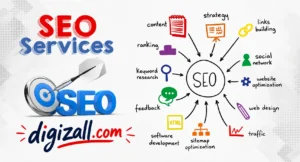
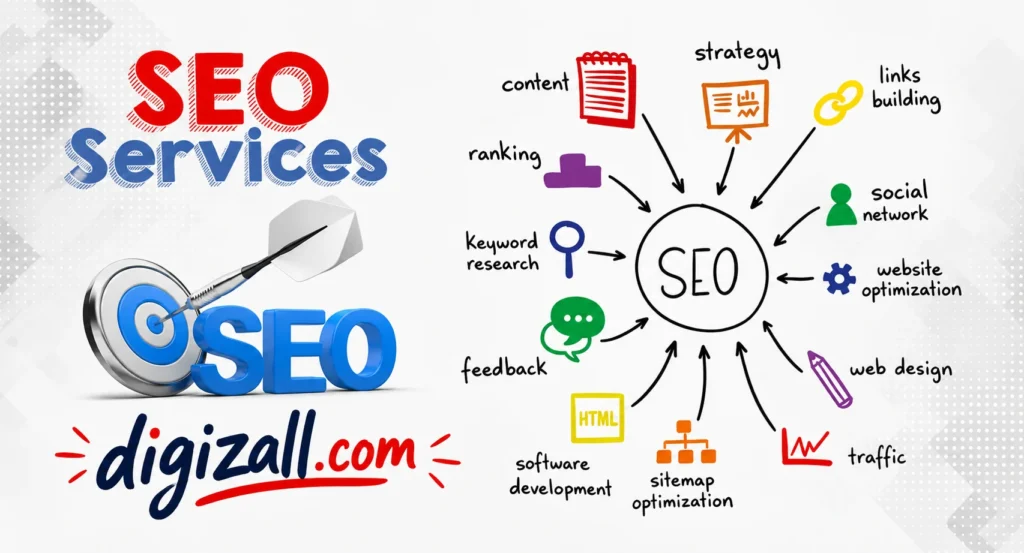
Search Engine Optimization SEO Services refer to professional strategies designed to improve a website’s visibility in search engine results. These services can cover keyword research, technical optimization, content development, on-page improvements, link building, local optimization, and performance monitoring.
The main purpose is not simply to increase website traffic. Effective SEO focuses on attracting visitors who are genuinely interested in what a business offers, making the traffic more relevant and potentially more valuable.
Search engines evaluate hundreds of signals when determining which pages should appear for particular searches. A properly optimized website makes it easier for search engines to understand its content, structure, purpose, and relevance.
Why SEO Matters for Google Rankings?
Google remains one of the most important platforms people use to discover businesses, products, services, and information. A website that appears prominently for relevant searches has more opportunities to receive organic visitors.
However, ranking well is not achieved through keyword repetition alone. Google considers factors such as content usefulness, website experience, technical accessibility, relevance, authority, and the overall quality of information presented to users.
Professional Search Engine Optimization SEO Services bring these different areas together into a structured strategy. Instead of making random changes, businesses can work toward measurable improvements based on research and performance data.
How Search Engines Evaluate Websites?
Search engines use automated systems to discover, crawl, understand, and index web pages. Once pages are indexed, ranking systems determine which results are most relevant to a particular search.
Several factors can influence visibility. These include the quality and relevance of content, page experience, website structure, internal links, external references, mobile usability, and technical performance.
A website can have excellent products or services but still struggle to gain visibility if search engines cannot properly access or understand its pages. This is why technical and content optimization need to work together.
Keyword Research and Search Intent
Keyword research is an important part of an effective SEO campaign. It identifies the phrases and questions potential customers use when searching online.
Modern keyword research goes beyond finding high-volume phrases. It also considers search intent, competition, relevance, location, and the stage of the customer journey.
For example, someone searching for “SEO services” may be researching available solutions, while someone searching for “SEO agency pricing” may already be comparing providers. Understanding these differences helps businesses create content that answers the right questions.
Search Engine Optimization SEO Services often begin with detailed keyword research because it provides a foundation for content planning and page optimization.
On-Page SEO Optimization
On-page SEO focuses on elements that can be optimized directly on a website. This includes page titles, headings, URLs, content, image descriptions, internal links, and metadata.
Each page should have a clear purpose and target a specific search intent. Content should provide useful information rather than simply repeating a keyword multiple times.
Proper heading structures also help visitors and search engines understand how information is organized. Clear sections, descriptive headings, and concise paragraphs can make pages easier to navigate.
Creating High-Quality SEO Content
Content plays a major role in organic search visibility. Useful content should answer real questions, explain topics clearly, and provide information that readers can actually use.
Businesses can create blog posts, service pages, product descriptions, guides, FAQs, case studies, and educational resources based on the needs of their target audience.
Good SEO content should sound natural rather than being written exclusively for search engines. Keywords can be included where they make sense, but readability and usefulness should remain priorities.
Through Search Engine Optimization SEO Services, businesses can develop a content strategy that connects target keywords with relevant topics and customer needs.
Technical SEO
Technical SEO focuses on the technical foundation of a website. It can include website crawling, indexing, site architecture, redirects, broken links, canonicalization, structured data, and other technical elements.
Website speed and mobile usability are also important parts of a modern SEO strategy. Visitors are less likely to have a positive experience when pages load slowly or do not display properly on mobile devices.
A technically healthy website gives search engines a clearer path through its content. It can also create a better experience for visitors, which benefits both users and businesses.
Mobile-Friendly Website Optimization
A large portion of online searches takes place on mobile devices. As a result, businesses need websites that function properly across different screen sizes.
Mobile optimization involves responsive design, readable text, accessible navigation, appropriate spacing, and fast-loading pages. Forms, buttons, menus, and other interactive elements should also be easy to use.
A website that looks excellent on a desktop but performs poorly on smartphones can lose potential visitors. Mobile usability should therefore be considered as part of the broader SEO strategy.
Local SEO for Business Growth
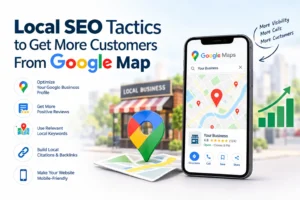
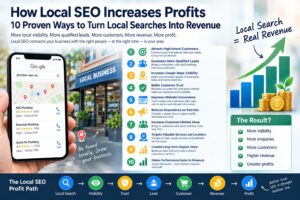
Local SEO is particularly important for businesses that serve specific cities, regions, or communities. It helps businesses become more visible when people search for nearby products and services.
Local optimization can involve business information, location-focused pages, customer reviews, local content, citations, and a properly maintained Google Business Profile.
For example, a local service provider may benefit from pages that clearly explain the areas it serves. Location-specific content can help search engines understand where a business operates and which searches may be relevant.
Search Engine Optimization SEO Services can incorporate local strategies to help businesses build stronger visibility within their target geographic markets.
Link Building and Website Authority
Links from other websites can help search engines discover pages and understand relationships between online resources. Relevant and trustworthy links can also contribute to a website’s authority.
However, successful link building should focus on quality and relevance rather than collecting large numbers of low-quality links.
Businesses can earn links through useful resources, original research, industry contributions, digital PR, partnerships, and content that other websites naturally want to reference.
A sustainable approach avoids manipulative tactics and concentrates on building genuine online credibility.
Improving Website User Experience
SEO and user experience are closely connected. Visitors should be able to find information quickly, navigate between pages easily, and understand what a business offers.
Clear calls to action, logical menus, readable content, and well-organized pages can make websites easier to use.
A website that attracts visitors but fails to provide a useful experience may struggle to turn organic traffic into inquiries or sales. SEO should therefore support the complete customer journey rather than focusing exclusively on rankings.
SEO for E-Commerce Websites
Online stores face unique SEO challenges because they may contain hundreds or thousands of product pages. Product titles, descriptions, categories, filters, images, internal links, and technical settings all need careful attention.
E-commerce SEO can help search engines understand product information and category relationships. Optimized product pages can also capture searches from customers who are already looking for specific items.
Useful product descriptions should explain important features, benefits, specifications, sizes, materials, and other information customers need before making a purchase.
SEO for Small Businesses
Small businesses often compete with larger companies that have bigger marketing budgets. Organic search can provide another way to reach potential customers without relying entirely on paid advertising.
A focused strategy can target specific services, locations, customer problems, and long-tail searches. These searches may have lower competition while still attracting highly relevant visitors.
Search Engine Optimization SEO Services can help small businesses establish a structured online presence by prioritizing opportunities that align with their goals and available resources.
SEO Analytics and Performance Tracking
SEO should be measured regularly to understand what is working and where improvements may be necessary. Important metrics can include organic traffic, keyword visibility, impressions, clicks, engagement, conversions, and leads.
Ranking positions can provide useful information, but rankings should not be viewed in isolation. A keyword ranking highly is less valuable if it does not generate relevant visitors or meaningful business activity.
Analytics help businesses identify successful pages, content gaps, declining traffic, and new opportunities. This data can then guide future optimization decisions.
Why SEO Is a Long-Term Strategy
SEO generally requires consistency rather than expecting immediate results. Search engines need time to discover changes, evaluate content, and observe how websites perform over time.
Competitive industries may require continued content development, technical improvements, authority building, and analysis. Results can also vary depending on the website’s existing authority, competition, industry, location, and overall quality.
Businesses that treat SEO as an ongoing process can continually improve their websites instead of relying on a one-time optimization project.
Common SEO Mistakes to Avoid
One common mistake is keyword stuffing. Repeating the same phrase excessively can make content difficult to read and does not automatically improve rankings.
Another problem is creating thin or duplicate pages that provide little additional value. Websites should prioritize useful, original information that satisfies the searcher’s purpose.
Ignoring technical issues can also limit organic performance. Broken links, poor mobile usability, slow pages, indexing problems, and confusing site structures can all create obstacles for users and search engines.
Finally, businesses should avoid unrealistic promises. No legitimate SEO strategy can guarantee a specific Google ranking because search results depend on numerous changing factors.
Choosing the Right SEO Service Provider
Businesses considering professional SEO should look for providers that explain their strategies clearly and use transparent reporting.
A reliable provider should be able to explain what will be optimized, how performance will be measured, and which goals the campaign is designed to support.
It is also useful to review previous work, understand the expected process, and establish realistic timelines. Businesses should be cautious of providers that promise instant results or guaranteed first-place rankings.
The right Search Engine Optimization SEO Services should be aligned with the business’s industry, audience, location, website condition, and long-term objectives.
How SEO and Content Marketing Work Together
SEO and content marketing can complement each other effectively. SEO identifies opportunities based on search behavior, while content marketing provides useful information around those opportunities.
A well-planned content strategy can target informational searches, comparison queries, product-related searches, and questions that potential customers commonly ask.
Over time, valuable content can create additional entry points into a website. Each useful page can serve a specific audience need while contributing to the broader visibility of the domain.
The Role of Continuous SEO Audits
SEO audits provide an opportunity to review the current condition of a website. An audit may examine technical performance, content quality, keyword targeting, internal linking, indexing, backlinks, mobile usability, and other important areas.
Regular audits can identify issues that were not present during the original optimization process. Websites change frequently as new pages are published, old pages are updated, and technology evolves.
Ongoing analysis allows businesses to respond to these changes and keep their SEO strategy aligned with current requirements.
Benefits of Professional SEO Services
Professional SEO can save businesses time by bringing research, technical knowledge, content planning, and performance analysis into one structured process.
It can also help businesses identify opportunities they may overlook when managing SEO without specialist knowledge.
The potential benefits include stronger organic visibility, more relevant website traffic, improved content organization, better user experience, and increased opportunities for inquiries or sales.
The exact results vary from one business to another. SEO performance depends on competition, website quality, industry conditions, search demand, and the consistency of the optimization process.
Building a Sustainable Google Ranking Strategy
Long-term search visibility requires a balanced approach. Businesses need technically accessible websites, useful content, relevant keywords, strong internal structures, and a positive user experience.
Rather than chasing every algorithm update, businesses can focus on providing accurate, useful, accessible, and relevant information to their audiences.
Search Engine Optimization SEO Services can provide the framework needed to coordinate these activities and measure progress over time.
A sustainable strategy also leaves room for adjustment. Search behavior changes, competitors publish new content, and search engines continue to improve their systems. Regular analysis allows businesses to adapt without abandoning the fundamentals.
Final Thoughts
Strong Google rankings are built through a combination of relevance, technical quality, useful content, authority, and a positive website experience. There is no single optimization technique that can replace a complete and consistent strategy.
Search Engine Optimization SEO Services help businesses bring these elements together through research, implementation, monitoring, and continuous improvement.
For businesses seeking sustainable organic growth, SEO can become an important part of their wider digital marketing strategy. By focusing on users first and using search data to guide decisions, a website can create more opportunities to be discovered by the people who matter most to the business.
FAQs
1. What are Search Engine Optimization SEO Services?
Search Engine Optimization SEO Services are professional strategies used to improve a website’s visibility in search engine results. They can include keyword research, content optimization, technical SEO, link building, local SEO, and performance tracking.
2. How long does SEO take to improve Google rankings?
The timeline varies depending on competition, website condition, content quality, industry, authority, and the level of optimization required. SEO is generally a long-term process rather than an instant marketing solution.
3. Can SEO guarantee a first-page Google ranking?
No legitimate SEO provider can guarantee a specific Google ranking. Search results are influenced by many factors and can change over time. A professional strategy should focus on sustainable improvements rather than guaranteed positions.
4. Is SEO useful for small businesses?
Yes. Small businesses can use SEO to target specific services, locations, customer needs, and long-tail searches. A focused strategy can help them compete for relevant searches within their target markets.
5. What does a professional SEO campaign include?
A campaign can include keyword research, on-page optimization, technical SEO, content creation, local SEO, internal linking, authority building, analytics, reporting, and ongoing website improvements. The exact activities depend on the business and its objectives.