Local SEO for Small Business , attracting customers from nearby areas can be more valuable than reaching a large audience across the country. People often search online when they need a product, service, restaurant, shop, or professional close to where they live or work.
This is where local seo for small business becomes important. A well-planned local search strategy can help a company appear when nearby customers are actively looking for what it offers.
Unlike traditional SEO, local SEO focuses heavily on geographic relevance. It helps search engines understand where a business operates, what it provides, and which customers it is most relevant to.
For small companies with limited marketing budgets, this approach can create opportunities to compete with larger brands. A strong local presence can increase visibility, website visits, phone calls, direction requests, and customer inquiries.
What Is Local SEO for Small Business?
Local SEO is the process of improving a business’s online presence so that it becomes more visible to people searching for products or services in a specific geographic area.
For example, someone searching for “plumber near me” or “coffee shop in Birmingham” is demonstrating local search intent. Search engines use location, relevance, business information, and other signals to provide useful results.
The goal of local seo for small business is to make the business easier for search engines and potential customers to discover. This includes optimizing business listings, websites, reviews, location pages, and other online signals.
A business does not necessarily need a huge website or an enormous marketing budget. Consistent information, useful content, positive customer experiences, and strong local relevance can all contribute to better visibility.

Why Local SEO Matters for Small Businesses
Small businesses often depend heavily on customers within a particular city, town, neighborhood, or service area. A local SEO strategy helps put their business in front of people who are already searching for relevant solutions.
Consider a person who needs an emergency electrician. That person is more likely to search for an electrician nearby rather than browse a national company directory for hours.
This makes local search particularly valuable because the audience can have strong purchase intent. Someone searching for a nearby service may already be close to making a decision.
Another benefit is that local SEO can provide long-term visibility. While paid advertising can generate immediate exposure, organic local search can continue attracting visitors when a business maintains its online presence.
Create and Optimize a Google Business Profile
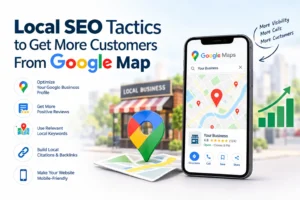
One of the most important parts of local seo for small business is maintaining an accurate Google Business Profile. The profile can appear in Google Search and Google Maps when people search for relevant businesses.
A business should provide accurate information such as its name, address, phone number, website, opening hours, business category, and service details.
The selected primary category should accurately represent the company’s main offering. Additional categories can be used where appropriate, but irrelevant categories should be avoided.
Businesses should also add high-quality photographs regularly. Images of the premises, products, services, team, or completed projects can give potential customers a better understanding of what the business offers.
Keep Business Information Consistent
Consistency is another important part of local seo for small business. Search engines need reliable information to understand that different online references represent the same company.
The business name, address, phone number, website, and other important details should remain consistent across major online platforms.
Even small differences can create confusion. For example, a company should avoid using several different versions of its business name across directories and profiles.
When business information changes, such as a phone number, address, or opening hours, those changes should be updated across important platforms as soon as possible.
Build a Locally Optimized Website
A website gives a small business greater control over its online presence. It should clearly communicate what the company does, where it operates, and how customers can contact it.
The homepage should naturally mention the primary service and relevant location without repeatedly inserting the same phrase. Search engines can understand context when information is presented clearly.
A local business website should also have an easy-to-use navigation structure. Important pages should be accessible within a few clicks, and contact information should be easy to find.
Mobile optimization is equally important because many local searches happen on smartphones. A website that loads quickly and works properly on smaller screens can provide a better user experience.
Create Dedicated Location Pages
Businesses operating in multiple areas can benefit from dedicated location pages. Each page should provide genuinely useful information about the service offered in that particular location.
For example, a company serving Manchester, Liverpool, and Leeds could create individual pages explaining its services in each area rather than publishing one generic page containing a long list of cities.
Each location page should contain unique and helpful information. It might include service details, local customer concerns, operating areas, frequently asked questions, and relevant contact information.
Creating dozens of nearly identical pages simply by changing city names can produce a poor experience. Quality and usefulness should remain the priority.
Target Local Search Intent
Effective local seo for small business is not simply about adding city names to website pages. It involves understanding what local customers actually search for.
A business can research phrases related to its services, locations, problems, and customer needs. These keywords can then guide website content and page optimization.
For example, a landscaping company might target searches related to garden maintenance, lawn installation, hedge trimming, or landscaping services in its service area.
The strongest keywords often combine a service with a geographic term or demonstrate clear local intent. However, content should always sound natural rather than being written solely for search engines.
Earn and Manage Customer Reviews
Online reviews can strongly influence how potential customers perceive a local company. People often compare ratings, read customer experiences, and look at recent feedback before contacting a business.
Businesses should make it easy for genuine customers to leave reviews after completing a purchase or service. The process should be simple and convenient.
Responding to reviews is also valuable. Positive reviews can receive a friendly thank-you, while negative feedback should receive a professional and constructive response.
A company should never create fake reviews or manipulate customer feedback. Authentic experiences provide more meaningful information to future customers and create a stronger foundation for long-term reputation management.
Build Relevant Local Citations
Local citations are online references that mention a business and its important information. These can appear in business directories, industry websites, local organizations, and other relevant platforms.
The objective is not to submit a business to every directory available. Quality and relevance matter more than quantity.
A local restaurant, for example, may benefit from relevant food and hospitality directories, while a professional service provider may focus on industry-specific platforms.
When building citations, businesses should ensure that important information is accurate and consistent. Unnecessary or low-quality listings can create additional maintenance work without providing meaningful value.
Develop Useful Local Content
Content marketing can strengthen local seo for small business when articles and resources address real questions from people in the target area.
A company could publish guides, FAQs, local service information, seasonal advice, case studies, or educational articles related to its industry.
For example, a roofing company could publish an article explaining common roof problems after severe weather in its service region. A dental practice could create content answering common questions about local dental services.
Useful content can attract search traffic while also demonstrating expertise. The best local content focuses on helping customers rather than simply repeating keywords.
Use Local Link Building
Links from relevant websites can support a company’s online authority. Local organizations, community websites, newspapers, business associations, suppliers, and industry publications may provide opportunities for legitimate links.
A business could participate in community events, sponsor a local activity, contribute expert information to a relevant publication, or collaborate with complementary businesses.
The emphasis should be on earning useful and relevant mentions rather than purchasing large numbers of low-quality links.
A smaller number of meaningful local relationships can be more valuable than hundreds of unrelated links.
Optimize for Mobile Search
Many consumers use mobile devices when searching for nearby businesses. They may search while traveling, compare services from their phones, or immediately call a company after finding its listing.
Therefore, a mobile-friendly website is essential. Text should be readable, buttons should be easy to tap, and important information should not be hidden behind unnecessary design elements.
Contact details should also be accessible. A potential customer should not have to search through several pages to find a phone number, address, booking form, or directions.
Fast loading times can further improve the experience. Large images, unnecessary scripts, and complicated page layouts should be optimized where possible.
Use Structured Data
Structured data can help search engines understand specific information about a webpage. Local businesses can use appropriate schema markup to communicate details such as business type, address, phone number, opening hours, and other relevant information.
While structured data does not guarantee improved rankings, it can make business information easier for search engines to interpret.
Implementation should be accurate and follow current search engine guidelines. Businesses should avoid adding information that is not actually visible or supported on the page.
Track Local SEO Performance
A successful local seo for small business campaign should be measured regularly. Without tracking, it can be difficult to understand which activities are producing useful results.
Important measurements can include organic website traffic, local search visibility, phone calls, direction requests, website conversions, profile interactions, and customer inquiries.
Businesses can also monitor which pages generate traffic and which search queries bring visitors to the website.
The purpose of tracking is not simply to collect numbers. Data should help identify what is working, what needs improvement, and where future resources should be invested.
Common Local SEO Mistakes to Avoid
One common mistake is using the same keyword repeatedly throughout every page. Excessive repetition can make content uncomfortable to read and does not create a better customer experience.
Another mistake is creating inaccurate business listings. Incorrect phone numbers, addresses, opening hours, or service information can cause customers to lose trust.
Some businesses also ignore reviews after receiving them. Customers may interpret unanswered feedback as a sign that the company is not actively managing its reputation.
Another issue is creating low-quality location pages. Pages with almost identical content and only minor location changes provide little value. Local pages should offer information that genuinely helps people in the area.
How Small Businesses Can Start With Local SEO
Businesses that are new to local SEO do not need to complete every task at once. A practical approach is to start with the foundations.
First, the company can verify its business information and optimize its Google Business Profile. Next, it can review its website, improve contact information, and create useful service or location pages.
After the foundation is established, the business can focus on collecting genuine reviews, building relevant citations, publishing local content, and earning useful links.
Regular monitoring can then reveal which areas require additional attention. This gradual process can be easier to manage than attempting dozens of SEO activities simultaneously.
The Long-Term Value of Local SEO
The biggest advantage of local seo for small business is that it can create a sustainable digital presence around the areas a company actually serves.
A strong local strategy connects several elements together: accurate business information, a useful website, positive reviews, relevant content, trusted local references, and a good customer experience.
Results can take time because organic search visibility develops gradually. Businesses should therefore approach local SEO as an ongoing marketing activity rather than a one-time task.
Consistent improvements can strengthen visibility as the company builds more useful content, earns customer reviews, develops local relationships, and keeps its information accurate.
Frequently Asked Questions
1. What is local SEO for small businesses?
Local SEO is the process of improving a company’s online presence so that it can become more visible to customers searching for relevant products or services in a specific geographic area.
2. Is local SEO important for a small business?
Yes. Businesses that depend on customers from specific cities, towns, neighborhoods, or service areas can use local SEO to improve their visibility among people searching within those areas.
3. How long does local SEO take to produce results?
The timeframe varies depending on competition, website quality, location, industry, authority, and the current state of the business’s online presence. SEO generally requires consistent work rather than a one-time change.
4. Does Google Business Profile help local SEO?
A properly maintained Google Business Profile can help a business present accurate information in Google Search and Maps. Complete and up-to-date information can make it easier for potential customers to discover and contact the company.
5. Can a small business do local SEO without a large budget?
Yes. Many foundational activities, such as improving business information, creating useful website content, responding to reviews, and maintaining online profiles, can be handled without a large advertising budget.
Final Thoughts
For businesses that depend on nearby customers, local seo for small business provides a practical way to improve online visibility and reach people with relevant local search intent.
The process begins with accurate business information and a well-optimized Google Business Profile. From there, companies can improve their websites, create useful location content, manage reviews, build relevant citations, and develop genuine local relationships.
The most effective approach focuses on customers first. When online information is accurate, content is useful, and the overall experience is trustworthy, search engines have stronger signals for understanding the business.
Local SEO is therefore not simply about ranking higher. It is about making it easier for the right customers to discover a business, understand its services, and take the next step.