
Digital Marketing for Real Estate Agents is no longer optional, because most buyers and sellers now start their journey online long before they ever call an agent.
If you’d like a different tone, here are two alternatives:
- Digital Marketing for Real Estate Agents works best when it is simple, consistent, and focused on helping people rather than pushing a sale.
- Digital Marketing for Real Estate Agents gives even small, independent professionals a fair chance to compete with the big brokerages.
Buying a home used to start with a drive through a neighborhood and a call to the number on a yard sign. These days, it usually starts with a phone screen, a late-night search, and a handful of open browser tabs.
That shift has changed how agents find clients. Smart professionals now rely on digital marketing for real estate to show up exactly when buyers and sellers are searching.
This guide walks through the strategies that actually bring in leads, explained in plain language. Whether an agent is brand new or has years of sales behind them, there is something practical here to try this week.
Why Digital Marketing for Real Estate Matters Today
Most buyers begin their home search online long before they speak to an agent. They read listings, compare neighborhoods, and check reviews. An agent who is invisible online misses the first and most important part of that journey.
Digital marketing for real estate also levels the playing field. A small independent agent can compete with a big brokerage by being helpful, local, and consistent on the channels buyers use every day.
Another perk is measurability. Unlike a bus bench ad, online campaigns show exactly how many people clicked, called, or filled out a form. That makes it much easier to spend money where it works.

Build a Website That Actually Converts
A website is the digital office of every agent. It is where curious scrollers turn into real conversations, so it needs to feel welcoming, clear, and trustworthy from the first second.
Speed, Mobile Design, and Simplicity
Most property searches happen on phones, so a site that loads slowly or looks cramped on a small screen loses visitors fast. Clean layouts, large buttons, and quick loading times keep people exploring.
Simple navigation matters too. Visitors should find listings, an about page, and a contact option in one or two taps without hunting around.
Smart Lead Capture
Every page should offer a next step. A free home valuation, a neighborhood guide download, or a saved search alert gives visitors a reason to share their email address.
Short forms work best. Asking for a name and email is far less intimidating than requesting a full life story, and completion rates usually reflect that.
Win Local Searches With SEO
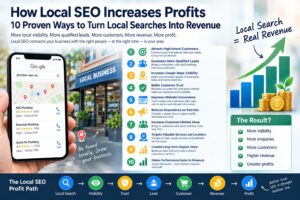
When someone types “homes for sale near me” or “realtor in my city,” the agents shown first get most of the attention. Local SEO is how an agent earns those spots without paying for every click.
Claim and Polish the Google Business Profile
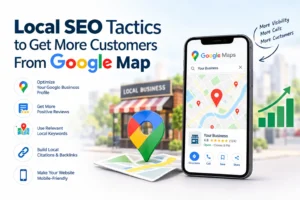
A complete Google Business Profile is one of the easiest wins in digital marketing for real estate. Accurate contact details, service areas, fresh photos, and regular posts help the profile appear in map results.
Reviews play a huge role here as well. Agents who politely ask happy clients for a review after closing often see their visibility and credibility climb together.
Target Neighborhood Keywords
Generic phrases are crowded and competitive. Neighborhood-specific searches such as “family homes near a popular school” or “condos in the downtown district” attract people who are further along and more ready to act.
Dedicated pages for each area, filled with genuine local insight, give search engines and readers a clear reason to trust the agent as the local expert.
Content Marketing That Builds Trust
Content sits at the heart of digital marketing for real estate because people rarely hire someone they do not trust. When an agent answers real questions in public, readers begin to feel they already know that person.
Blog posts about first-time buyer mistakes, closing cost breakdowns, or seasonal market updates work well. They answer the questions clients already have, and they keep answering them for years.
Neighborhood guides are another favorite. Details about commute times, parks, coffee shops, and school options give buyers a feel for daily life, which listings alone cannot offer.
Consistency beats volume. One useful article each week, written in a warm and honest voice, will usually outperform a burst of posts followed by months of silence.
Use Social Media to Stay Top of Mind
Within digital marketing for real estate, social platforms are where people spend their free time, which makes them perfect for gentle, ongoing visibility. Agents do not need to be everywhere. They just need to be good in a few places.
Facebook and Instagram
Facebook remains strong for community groups, local events, and paid ads, while Instagram shines for visuals. Reels, carousel posts, and stories let agents showcase homes and personality at once.
A healthy mix is to share new listings, client success stories, local spots, and quick tips. Too many sales pitches in a row can make followers tune out.
LinkedIn and Tiktok
LinkedIn suits agents who work with investors, relocating professionals, or commercial clients. Short insights and market commentary can lead to referrals from other professionals.
Tiktok has become a surprising source of young buyers. Quick home tours and “things I wish I knew” videos often travel far beyond an agent’s existing followers.
Whichever platform is chosen, replying to comments and messages promptly matters. Social media is meant to be social, and warm conversations often turn into appointments.
Video Marketing Brings Homes to Life
Photos are great, but video lets buyers walk through a property from their sofa. Listing tours, drone shots, and neighborhood walk-throughs hold attention longer than static images.
Agents do not need Hollywood equipment. A modern smartphone, good lighting, and a steady hand can produce videos that feel authentic, which many viewers prefer over overly polished ones.
Posting videos on YouTube, Instagram, and the agent’s own website multiplies their reach. YouTube is also one of the biggest search engines in the world, so a well-titled video can keep delivering leads for a long time.
Email Marketing Nurtures Leads Over Time
Email is the quiet hero of digital marketing for real estate. Not every lead is ready to buy today, since some are six months away and others a year out, so email keeps the agent on their radar until the timing is right.
Monthly newsletters with market updates, new listings, and homeowner tips work nicely. Segmenting the list into buyers, sellers, and past clients makes each message feel personal and relevant.
Subject lines deserve attention too. Short, curious, and specific lines like “3 homes under budget in your area” tend to be opened far more often than vague greetings.
Past clients should never be forgotten. A friendly anniversary note or annual home value update often leads to repeat business and referrals.
Paid Advertising for Faster Results
Organic strategies take time, and paid ads can fill the gap. Google Ads and Meta Ads allow agents to place listings and offers right in front of people in specific areas.
Many pros mix paid and organic efforts, which is a classic pattern in digital marketing for real estate. Ads bring quick traffic while content and SEO build a lasting foundation underneath.
Starting small is perfectly fine. A modest daily budget, clear targeting, and a strong landing page can reveal what works before any serious money is committed.
Retargeting is worth a mention. It shows ads to people who already visited the website, gently reminding them to come back and finish what they started.
Reviews and Reputation Management
Online reviews are the modern word of mouth. Buyers and sellers often read several before they ever pick up the phone, so a strong rating can tip the decision.
Asking at the right moment helps. Right after a smooth closing, clients are happy and grateful, and a short follow-up message with a direct review link makes it easy for them.
Responding to every review, including the critical ones, shows professionalism. A calm, helpful reply to a complaint can impress future readers more than a perfect score.
Use a CRM and Automation to Stay Organized
Leads can slip through the cracks quickly. A customer relationship management tool keeps contacts, notes, and reminders in one place so no inquiry goes unanswered.
Automation can handle the repetitive parts. Instant text replies, drip email sequences, and follow-up reminders keep conversations moving even when the agent is out showing a house.
Speed matters enormously. Leads contacted within minutes are far more likely to respond than those who wait a day, so quick replies can be a real competitive edge.
Track Results and Improve
Good digital marketing for real estate is never guesswork. Tools like Google Analytics, social insights, and CRM reports show which channels produce real conversations rather than just likes.
Key numbers worth watching include website visitors, form submissions, cost per lead, and the number of leads that become clients. These reveal where to double down and where to cut back.
A quick monthly review is enough for most agents. Keep what works, tweak what is almost working, and drop what clearly is not.
Common Mistakes to Avoid
One frequent mistake is trying every platform at once. Spreading too thin leads to weak content everywhere, while focus leads to strong results in a few places.
Another is ignoring the follow-up. Even the best marketing falls flat if inquiries sit unanswered, so a clear response process is essential.
Finally, some agents expect overnight results. Real momentum usually builds over three to six months of steady effort, and patience is part of the plan.
A Simple Action Plan to Get Started
For agents feeling overwhelmed, a small starting plan helps. Fix the website basics, claim the Google Business Profile, and pick one social platform to post on consistently.
Next, add a monthly email, collect reviews after each closing, and test a small ad budget. Layering these steps gradually makes digital marketing for real estate feel manageable instead of scary.
Final Thoughts on Digital Marketing for Real Estate
The agents who win online are rarely the loudest. They are the most helpful, consistent, and easy to reach, and digital marketing for real estate rewards exactly those qualities.
Starting with one or two strategies from this guide, giving them time, and building from there is a solid path. Over the months, steady effort turns into a pipeline of leads and a reputation that keeps growing.
Frequently Asked Questions
1. How long does digital marketing for real estate take to show results?
Paid ads can bring leads within days, while SEO and content usually take three to six months to gain traction. Most agents see the best results by combining both approaches.
2. Which platform is best for new real estate agents?
Instagram and Facebook are friendly starting points because they are visual, local, and easy to learn. Agents can add LinkedIn, Tiktok, or YouTube once a steady routine is in place.
3. How much should an agent spend on online marketing?
There is no single number, and a small daily ad budget is enough to start testing. Many agents begin modestly, track which channels bring real inquiries, and then increase spending on the winners.
4. Is a website really necessary if an agent is active on social media?
Yes, because a website is the one place the agent fully controls. Social platforms change their rules and reach often, while a site with lead capture forms keeps working in the background.
5. How can agents get more online reviews?
The best moment to ask is right after a smooth closing, when clients feel happy and grateful. Sending a short, friendly message with a direct review link makes it quick and easy for them to respond.